

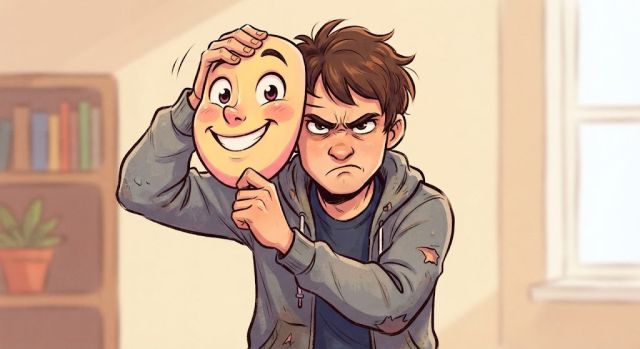
Note: As a certified health coach, I often write about the root causes of disease. But practicing holistically means looking at all twelve dimensions of well-being, not just one or two. Mental health plays a foundational role in that picture. Whether it is physical health or mental health, we all want to reduce suffering. I hope you will find some useful tools to do just that after reading this piece.
Can you remember a time when someone accused you of being a bad person? In your heart of hearts, you have a perfectly reasonable explanation for your behavior. But you keep wondering if they were right. Occasionally, we come across a child whose personality seems peculiar or whose behavior appears strange to others. Eventually, your own children may start pointing out some of your peculiarities. The truth is, every one of us is a unique blend of personality traits, and no two individuals are entirely alike.
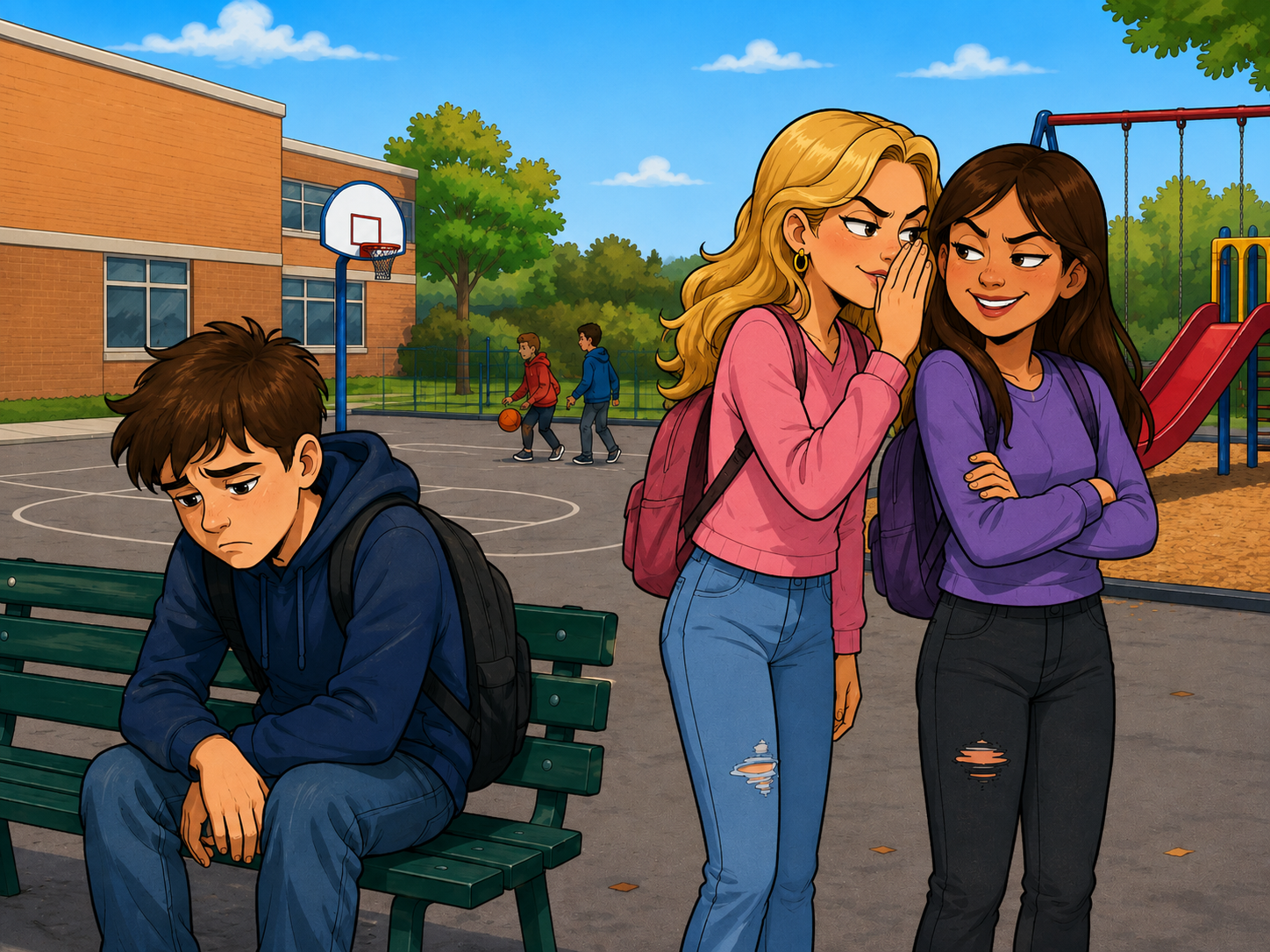
Now think of someone from your childhood whom you considered bad. Perhaps it was the neighborhood bully who always seemed to corner you at the most inopportune moments to torment you. You kept a wary eye on him because he continued his bullying ways well into his teenage years. The nature of the bullying changed from physical aggression to more verbal taunting.
These patterns of behavior do not disappear among adults. In some cases, they simply become more subtle and sophisticated. Some use sarcasm to belittle or insult others. Others indulge in gossip and bad mouthing. Still others actively scheme or plot to hurt someone. At the far extreme are society's villains: rapists, murderers and serial killers. The scale and impact may be very different, but all of these behaviors can be seen as part of a spectrum that ranges from relatively harmless to extremely harmful.
Some people are outgoing, while others are reserved, rebellious, or somewhere in between. Most of us can probably remember the popular boys or girls in school and wishing, at least occasionally, that we could be more like them. These characteristics often stay with us throughout our lives, and it is not always clear why. People may try to adopt socially desirable traits by emulating others, but often find that it does not come naturally, because it goes against the very grain of their personality.
So why are some people so different from others? Is it karma, as Hindus tend to believe? Or is it simply our environment? Children of reserved parents may tend to be reserved themselves. Children growing up in more outgoing cultures may become more gregarious. But even casual observation tells us that this is not strictly true. If you are a parent of two or more children, you would have noticed they have unique personalities. One very studious and trying to please you. The other mischievous, always pushing the boundaries, testing your patience. They are both your children, and yet have completely different personalities. How did this happen?
Genetics and brain chemistry shape our traits from the very beginning, most visibly in how differently babies react to various stimuli. Some infants are naturally calm while others are fussy, driven largely by how their developing nervous systems perceive their surroundings. For one child, a gentle cuddle from a parent triggers contentment; for another, that same quiet touch might do little compared to the thrilling rush of being tossed in the air and caught. These early, differing responses are powerful expressions of brain chemistry at work, creating the foundation for what feels satisfying, safe, or rewarding long before we ever learn to articulate our preferences. 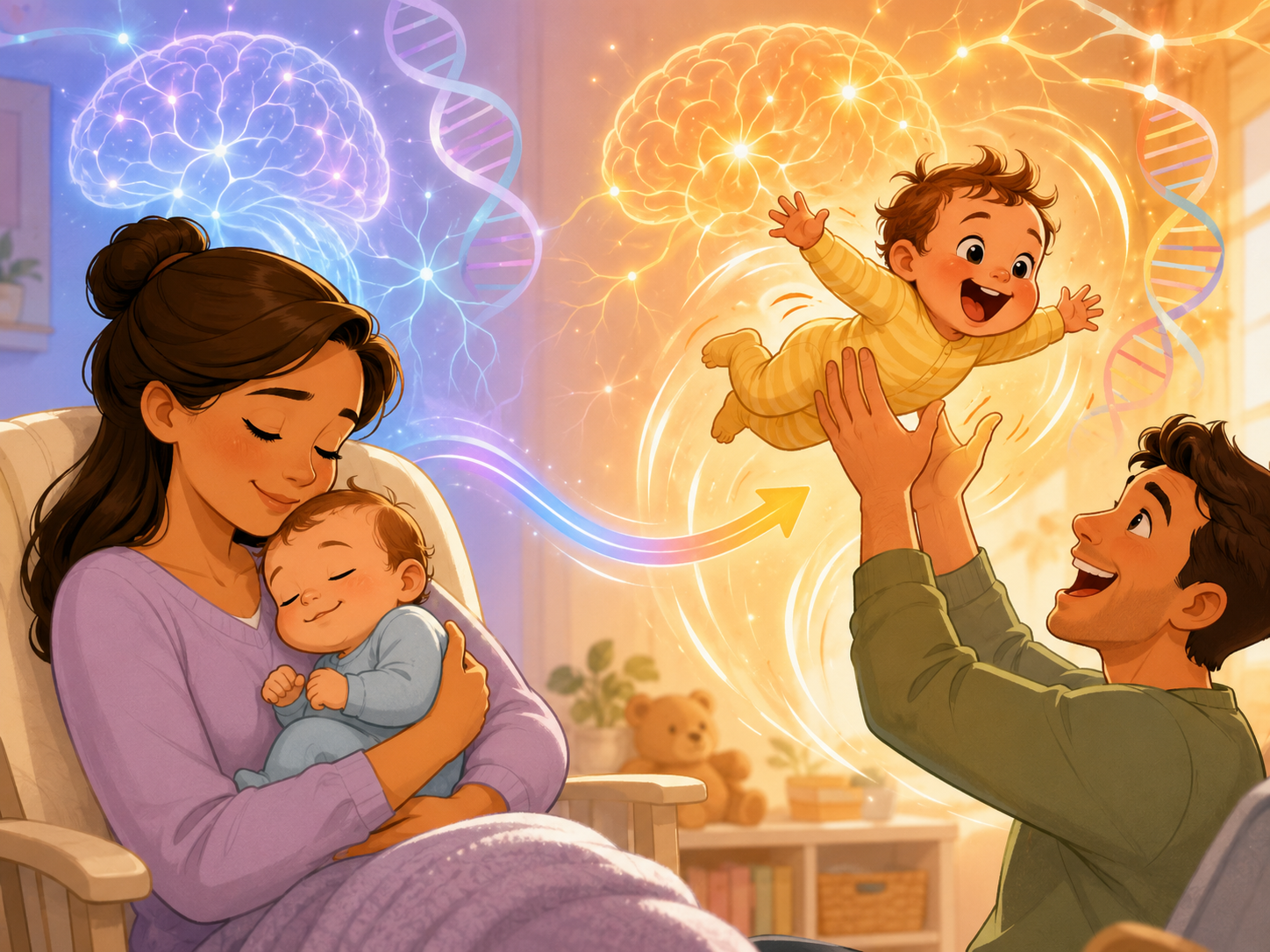
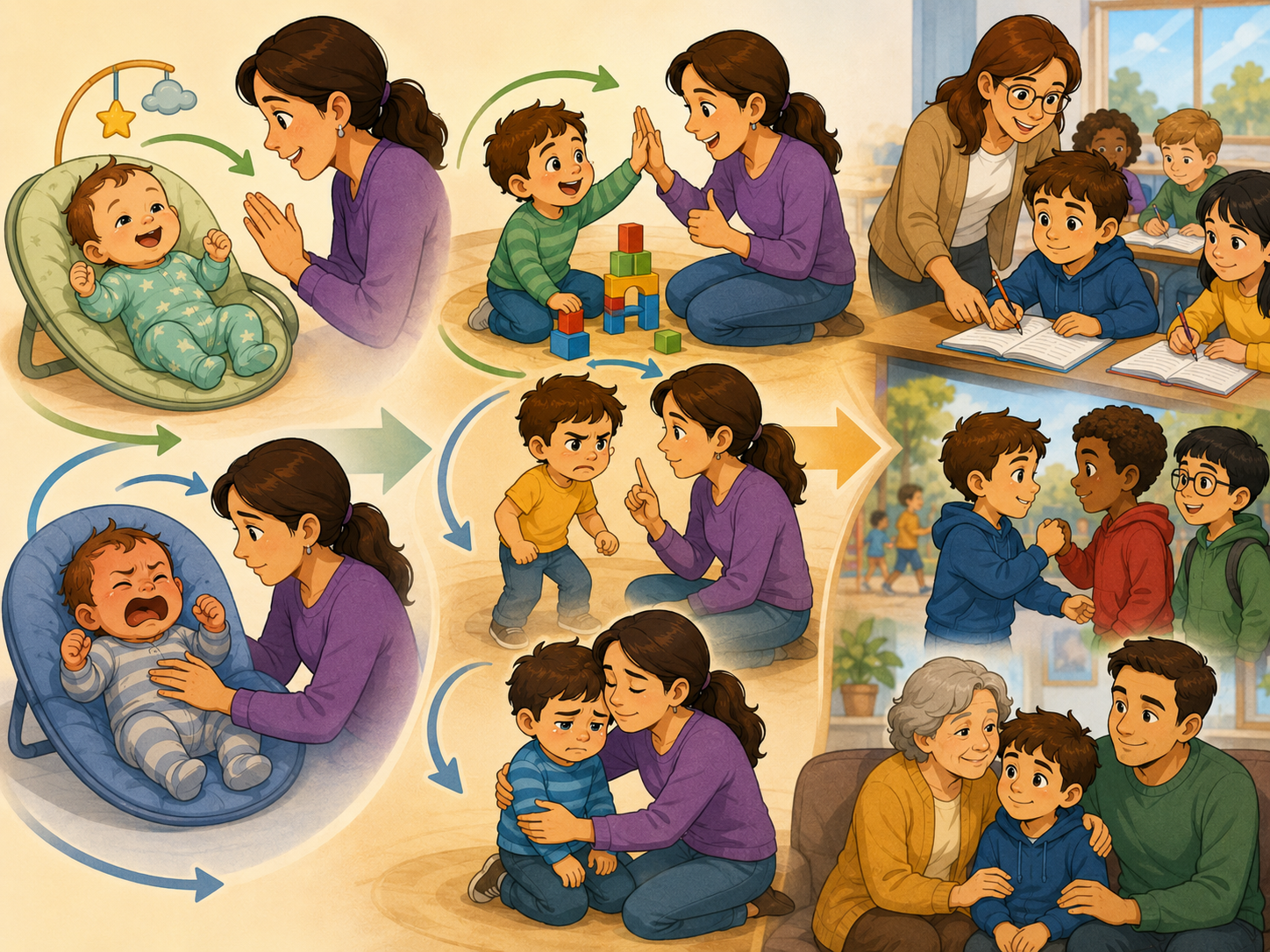
Babies tend to behave in ways that come naturally to them. Their caregivers, in turn, respond to those behaviors, and a continuous cycle of action and reaction begins. Over time, some patterns are reinforced while others are discouraged. As children grow, they encounter a much larger world of teachers, friends, relatives and society itself. Some of their original behavioral tendencies may change considerably. Yet their early temperament and learning remain dominant later in life. For example, some adults absolutely hate dancing, others dread public speaking.
We now know that neurotransmitters play a significant role in our feelings, motivation and even how we perceive the world. The 23 pairs of chromosomes that we inherit from our parents ensure there is tremendous diversity in our physical traits such as skin tone, eye and hair colors, height. It stands to reason that our brain's biochemical make-up is just as diverse. Some people may have excess adrenaline, the fight or flight molecule, and others excess dopamine, the reward molecule. This diversity produces different behavior in infants which in turn shapes how people around them respond. This cycle of behavior and reinforcement shapes who they become.
Now, let’s revisit the question: are you a bad person? In certain circumstances, you tend to behave in ways that you come to regret. And this is not a one-off behavior. You keep doing it, even though it proves counterproductive. For example, your spouse does something you don’t approve of and you react disproportionately. Later on, after you have calmed down, you apologize and reconcile. But this happens repeatedly. Why? Remember we have established that our personality traits are a combination of genetics, brain chemistry and environment. Behaving in line with those traits feels comfortable; going against them does not. A lifetime of such experience makes it very difficult if not downright impossible to behave in other ways.
With this background, I would like to make a proposition: we have no free will. And that we feel we do is merely an illusion. Our thoughts precede our actions and that convinces us that we have free will. As we have seen, our genetics, biochemical makeup and upbringing all shape our personality and how we think. So, if you are a go-getter, it is not your free will that is driving you, it is how you are programmed. If you are a criminal, that too is determined by your background. These impulses are powerful, and we can rarely silence them outright. Philosophers and scientists have wrestled with this for ages; I land on the side that says free will is an illusion.
What Does This Mean for Me?
If the previous paragraph left you despondent, then please bear with me. There is a silver lining. We may not have free will, but we do have agency. What is agency and how does it differ from free will? Agency is simply the ability to do something within the circumstances we find ourselves in. Free will is a much bigger claim: that we are truly free to choose what we do, independent enough of those circumstances to be held fully responsible for our choices. Imagine a prisoner confined to a cell. He cannot choose to walk out of the prison, but he may still choose whether to comfort another prisoner, read a book, refuse a fight, or share his food. Agency does not require unlimited freedom. It only requires that some possibilities remain open to us.
There are several quotes that reinforce this idea
“Everything can be taken from a man but one thing: the last of the human freedoms, to choose one's attitude in any given set of circumstances, to choose one's own way.”
… Victor Frankl in Man’s search for meaning
"Men are disturbed not by things, but by the views which they take of things."
… Epictetus, Greek stoic philosopher
"You have power over your mind — not outside events. Realize this, and you will find strength."
… Marcus Aurelius, Roman Emperor in Meditations
"Life is 10% what happens to me and 90% how I react to it."
… Charles Swindol, Evangelical christian pastor
Increase Your Agency
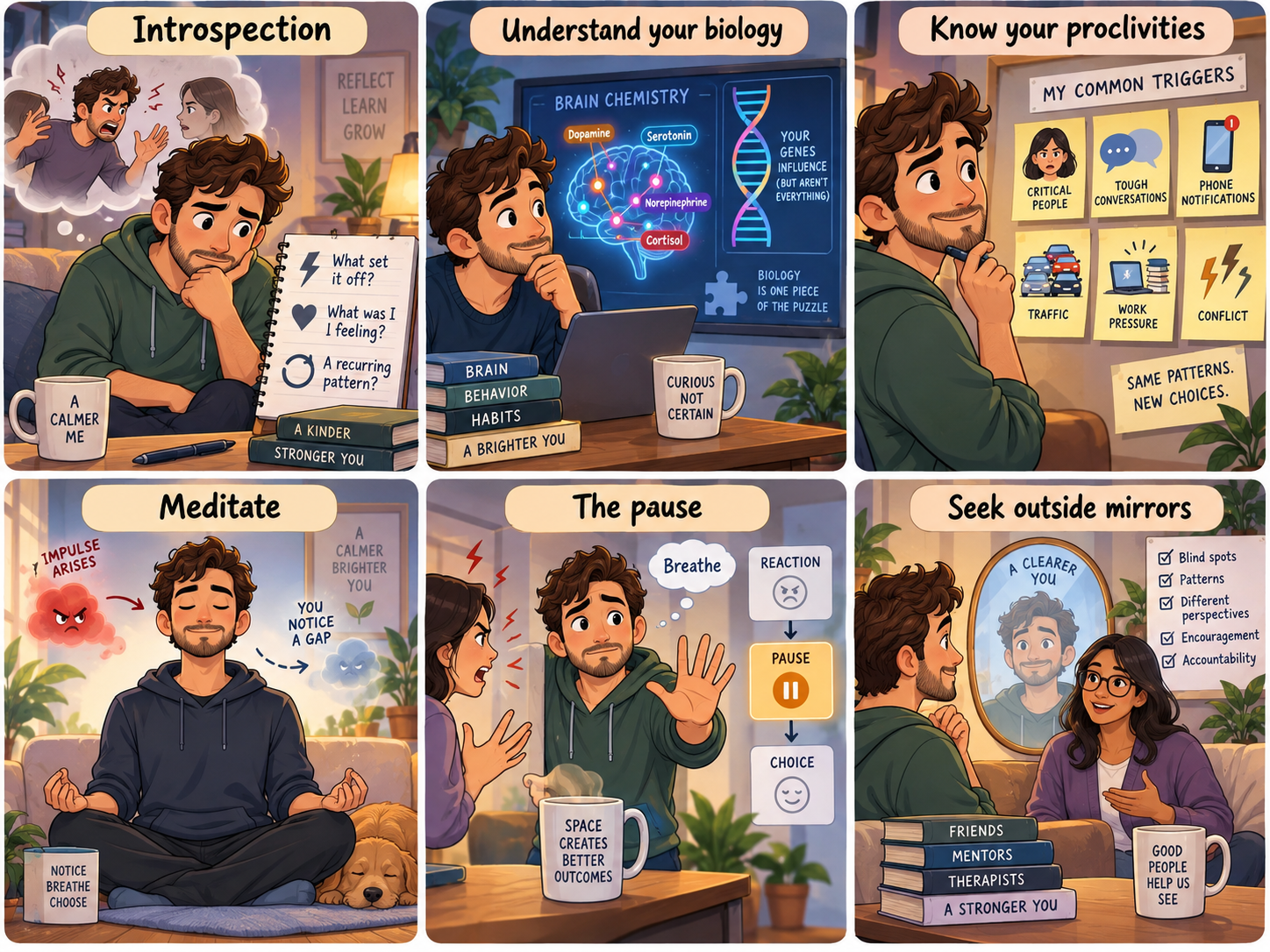
How does one go about increasing one's agency? The quotes above provide some hints.
Introspection: after a reaction you regret, go back over it. What set it off? What were you feeling and seeking? Look for the pattern.
Understand your biology: learn how neurotransmitters shape mood and impulse. If you're curious, explore your genome for clues, just another piece of the picture.
Know your proclivities: name your recurring tendencies and the people or situations that trigger them. When others point them out, pay attention. What you can name, you can watch for.
Meditate: regular practice trains you to notice an impulse as it rises, before it becomes action, literally widening the gap.
The pause: In the heated moment, buy time, a breath, a walk, "let me get back to you." Delay turns reaction into choice.
Seek outside mirrors: a trusted friend, coach, or therapist sees the blind spots you can't.
Practice, and forgive.
Agency is a muscle. Each time you widen the gap, even once, the next time comes a little easier. Start small and expect to stumble, the pattern is decades deep. Forgive yourself. You acted from wiring you never chose. That's no reason to stop trying, but every reason to drop the shame. Forgive others. Everyone around you is driven by forces they can't see either. The person who wronged you was, in that moment, as programmed as you were in yours. This doesn't excuse the harm, it explains it, and makes it easier to release. And where you were the bad person, ask for forgiveness. A sincere apology can lift a weight you've carried for years off both of you.
In conclusion
So, are you a bad person? Probably not, in the way you feared. You are, like everyone, a bundle of wiring and history you never chose. That understanding isn't a license to do harm; it's an invitation to judge less, yourself first, then everyone around you. We may not have written the code we run on, but within its limits we can still choose the next line. And in that narrow space sits everything that matters: the chance to cause a little less suffering, and offer a little more kindness.
Acknowledgement
My sincere thanks to my friend Iggy Fernandez, whose willingness to play devil's advocate and whose thoughtful comments sharpened this article.






Discussion
0 commentsBe the first to share your thoughts on this story.